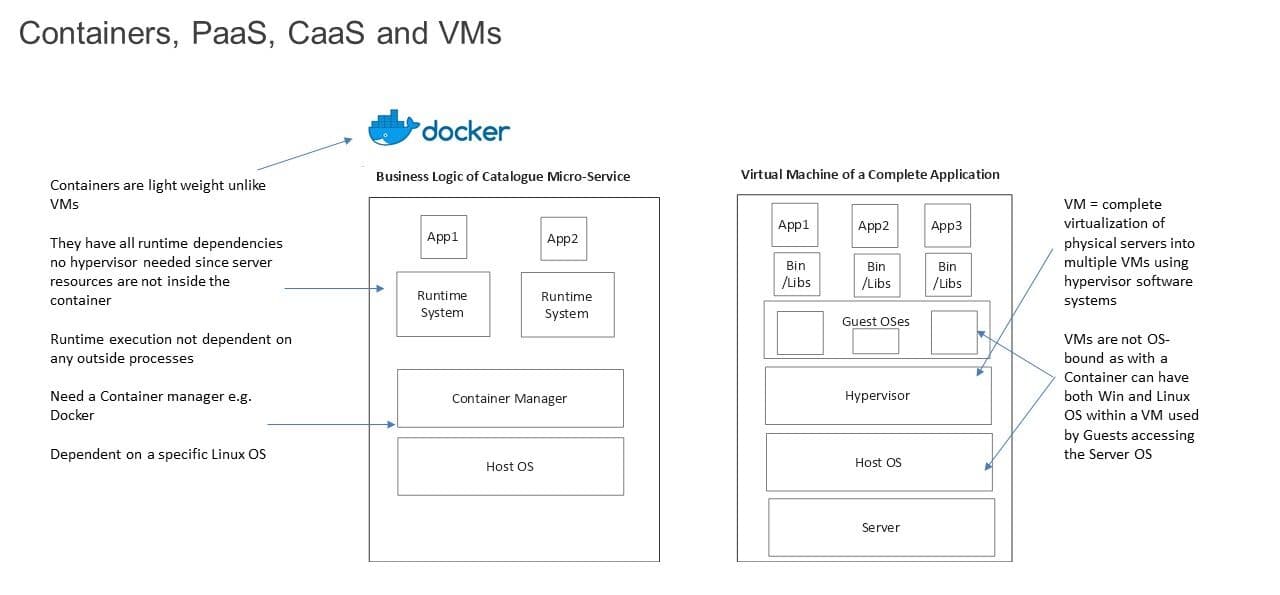
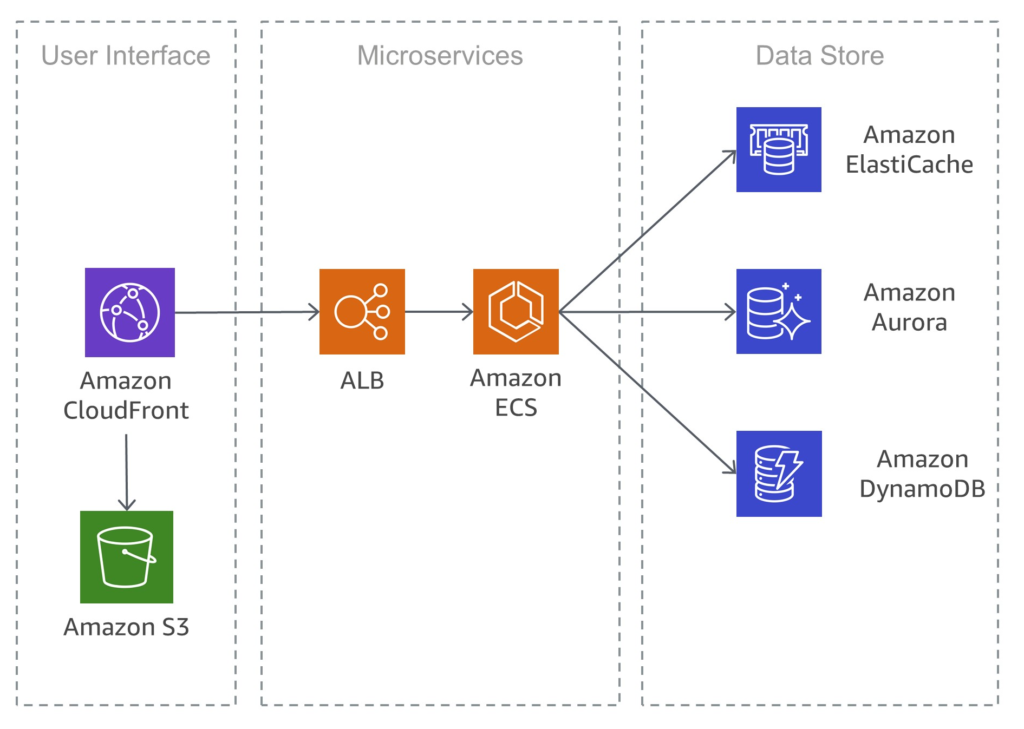
Summary of a Containerization and Kubernetes Deployment Strategy on AWS. A difficult area, which requires a lot of specialised skills and Agile processes to discover, fail, deploy, improve and manage.
Objective: Enable efficient and scalable application deployment, management, and orchestration through the adoption of containerization and Kubernetes on the AWS cloud platform.
Key Components:
Containerization Framework:
Description: Adopt containerization using Docker to package applications and their dependencies into lightweight, portable containers.
Implementation Steps:
Containerize existing applications incrementally.
Develop new applications with containerization in mind.
Utilize Docker images for consistency across development, testing, and production environments.
AWS Container Services:
Description: Leverage AWS container services, including Amazon Elastic Container Service (ECS) and Amazon Elastic Kubernetes Service (EKS), for efficient container orchestration and management.
Implementation Steps:
Assess the suitability of ECS or EKS based on specific application requirements.
Implement ECS for simpler container orchestration or EKS for a fully managed Kubernetes environment.
Integrate with AWS Fargate for serverless container deployments.
Infrastructure as Code (IaC):
Description: Implement Infrastructure as Code practices to automate the provisioning and configuration of container-related resources on AWS.
Implementation Steps:
Use AWS CloudFormation or Terraform to define and manage infrastructure.
Store infrastructure code in version-controlled repositories for traceability and reproducibility.
Description: Implement CI/CD pipelines for automated testing, deployment, and scaling of containerized applications.
Implementation Steps:
Utilize AWS CodePipeline, AWS CodeBuild, and AWS CodeDeploy for building, testing, and deploying containerized applications.
Integrate CI/CD pipelines with container registries such as Amazon ECR.
Monitoring and Logging:
Description: Implement robust monitoring and logging solutions to gain insights into containerized application performance and health.
Implementation Steps:
Utilize AWS CloudWatch for monitoring container metrics.
Implement centralized logging with Amazon CloudWatch Logs or integrate with third-party logging solutions.
Security Best Practices:
Description: Implement security best practices to safeguard containerized applications and underlying infrastructure.
Implementation Steps:
Leverage AWS Identity and Access Management (IAM) for fine-grained access control.
Implement network segmentation using Virtual Private Cloud (VPC) configurations.
Regularly update container images to address security vulnerabilities.
Scalability and High Availability:
Description: Design containerized applications for scalability and high availability to meet varying workloads.
Implementation Steps:
Implement auto-scaling policies for dynamic resource allocation.
Utilize multiple Availability Zones to ensure high availability and fault tolerance.
Training and Documentation:
Description: Provide training for the development and operations teams on containerization, AWS container services, and best practices.
Implementation Steps:
Develop comprehensive documentation covering containerization workflows, AWS service configurations, and troubleshooting guidelines.
Encourage continuous learning and exploration of new AWS features related to containerization.